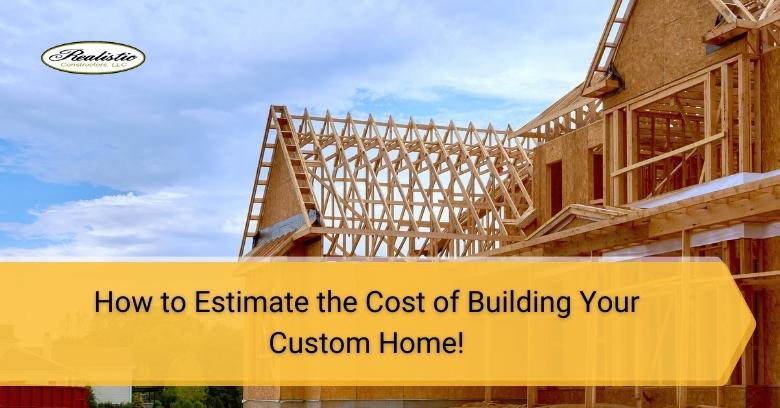

Building a dream home is one of the most significant milestones in many people's lives. The journey from an empty plot of land to a beautiful, uniquely tailored residence is filled with excitement, but it is also frequently marked by unexpected expenses and surprises. If you are navigating the realm of custom home construction, particularly in vibrant locations like Marble Falls Texas as well as the ever-growing Round Rock area, you might already be aware that the process can be more complex and costly than anticipated.
The allure of working with a custom home builder lies in the promise of personalization. Custom homes allow homeowners to choose everything from floor plans to finishes, making each house a true reflection of their personal taste and lifestyle. Yet while the freedom to customize is exhilarating, it also opens the door to potential missteps, hidden costs, and budget overruns. Many first-time clients approach the process with a rough estimate, only to find that the final cost exceeds their original projections.
This article aims to clarify why building a custom home often costs more than expected. We will explore critical factors driving rising expenses, the benefits and potential pitfalls of custom home building, and the implications unique to the Marble Falls and Round Rock Texas regions. By shedding light on the realities of custom home construction, you will be better equipped to navigate the journey, communicate more effectively with your builder, and plan your finances with confidence.
Whether you are contemplating a new build or actively working with a custom home builder, understanding these cost drivers will empower you to make informed decisions and avoid costly surprises. Remember, your dream home should be a source of joy and the key is in thoughtful planning and knowledgeable collaboration from the very beginning.
The Realities Behind Custom Home Construction Costs
1. Understanding Customization and Its Price Tag
When you embark on a custom home project, you are not just purchasing a house; you are commissioning a one-of-a-kind piece of architecture. That level of personalization cannot be matched by production homes or spec builds. But with greater choice comes greater responsibility and sometimes, increased costs. The price per square foot for custom homes typically exceeds that of existing houses or volume builds, largely because of labor, design, and material variables.
2. Site Preparation and Land-Related Surprises
One of the most underestimated factors in custom home construction is site preparation. In locations such as Marble Falls Texas, the topographic features including hills, limestone outcroppings, or dense foliage can require costly excavation or grading. Similarly, Round Rock's expanding suburbs face their own challenges, such as connecting to municipal utilities or managing soil erosion. These site-specific requirements are often not fully anticipated in initial cost projections. A custom home builder must assess and address these details before the first foundation is poured.
3. Permit Fees, Inspections, and Regulatory Costs
Custom homes in Texas are subject to strict building codes and zoning ordinances. Each municipality, whether it is Marble Falls or Round Rock, imposes different fees for permits and inspections. These administrative costs can balloon, especially if changes occur mid-construction or if the build site falls within special regulatory zones such as flood plains or historical districts. Do not be surprised if securing the necessary paperwork adds thousands to your final budget.
4. Customization Choices: Upgrades, Fixtures, and Finishes
One of the joys of custom home construction is hand-picking every element, but these choices have a direct financial impact. Standard options offered by your custom home builder come at a set price, but veering toward premium finishes like imported stone countertops, high-end cabinetry, luxury appliances, or smart home systems can quickly escalate the total cost. It is easy to be enticed by a showroom display and opt for upgrades that were not initially in your budget. This phenomenon that is often called scope creep is a primary reason for budget overruns.
5. Labor Costs and Skilled Trade Shortages
The cost of skilled labor has been rising nationwide and Texas is no exception. Custom home builders in Marble Falls and Round Rock compete for top tradespeople including framers, electricians, plumbers, and finish carpenters who are in high demand. Custom homes are inherently more complex than production houses, requiring more attention to detail, specialized skills, and more labor hours. Unexpected price increases or delays due to workforce shortages can affect both the budget and the timeline.
6. Supply Chain Disruptions and Material Prices
Fluctuations in the cost and availability of building materials are another wildcard. From framing lumber to roofing shingles and specialty windows, prices can surge due to global events, transportation bottlenecks, or local shortages. For instance, in recent years lumber costs alone have more than doubled at times, adding tens of thousands to the overall cost of custom home construction. These market-driven shifts are beyond the control of even the best custom home builders, yet they have a profound impact on your planned budget.
7. The Hidden Costs: Design Fees, Engineering, and Landscaping
A common misconception is that the bulk of a custom home's cost goes solely into construction materials and labor. In reality, professional design fees, architect consultations, structural engineering, and site-specific landscaping can collectively represent a substantial slice of your budget. Each of these specialists brings indispensable expertise so that your dream home is safe, beautiful, and built to last.
8. Change Orders and Mid-Project Adjustments
Few custom homes are built without changes along the way. Whether it is a last-minute decision to expand a room, add a window, or select different flooring, every change order disrupts the original plan. These modifications usually result in added costs for both labor and materials, not to mention potential delays. If you are building in a high-demand area like Round Rock or a rural but scenic spot in Marble Falls, the effects can be magnified by the availability or lack thereof of tradespeople and materials.
9. Financing, Interest Rates, and Market Conditions
The cost to build your custom home is not just limited to bricks and mortar as you will also need to consider financing. Construction loans typically have higher interest rates and stricter disbursement schedules than traditional mortgages. Any delay or budget overrun can increase your total interest payments and add to the overall cost. Additionally, strong housing demand in sought-after Texas locations can inflate both labor and land prices, putting upward pressure on your project's total price.
10. Regional Impacts: Marble Falls and Round Rock Texas
Both Marble Falls and Round Rock have seen significant population growth and rising interest in custom home living. Marble Falls, with its picturesque lake views and rolling hills, attracts buyers seeking luxury and natural beauty, but the terrain adds complexity and increases construction costs. Round Rock, part of the fast-growing Austin metro area, experiences high land demand. Meanwhile, new subdivisions and infrastructure improvements mean additional red tape and potential costs for connecting to utilities or adhering to HOA guidelines.
11. Working With the Right Custom Home Builder
Perhaps the most influential variable in your project outside of land and materials is your choice of custom home builder. An experienced builder will provide a transparent bid, communicate clearly, and help you anticipate realistic costs. They will also have extensive knowledge of both Marble Falls and Round Rock, allowing them to suggest cost-saving strategies without compromising quality. Conversely, an inexperienced or unscrupulous builder may lowball initial estimates and rely on change orders to make up the difference, leaving you with a budget-busting surprise.
The Pros and Cons of Custom Home Construction
Advantages
- Personalization: Every detail is tailored to your taste, from layout to fixtures.
- Location Flexibility: You can choose a lot in neighborhoods like Marble Falls for serenity or Round Rock for metropolitan convenience.
- Quality Control: Direct input throughout the process results in superior workmanship.
Disadvantages
- Cost Uncertainty: Without meticulous planning, expenses can snowball.
- Time Investment: Custom builds often take longer due to complexity and the decision-making process.
- Potential for Stress: Managing choices, delays, and negotiations can be overwhelming.
Sector Impacts: The Custom Home Trend in Texas
The desire for unique, personalized homes has led to a boom in custom home construction across Texas. Builders are upping their game in both design innovation and project management, responding to clients' increasing desire for smart technology, eco-friendly materials, and multi-generational layouts. With markets like Marble Falls and Round Rock at the forefront, competition and demand are fueling rapid change and pushing up prices, especially as more affluent buyers flock to these areas in search of custom-built luxury.
Smart Planning Tips for Homeowners
To keep your custom home project on track, consider the following:
- Start with a realistic budget and a healthy contingency fund of at least 10 to 20% of total cost.
- Work with a transparent, reliable custom home builder who understands the local landscape.
- Prioritize your must-haves and be willing to compromise on less critical features.
- Get everything in writing, especially allowances for materials and fixtures.
- Stay actively involved, but trust your builder's expertise when making technical decisions.
Conclusion
Building a custom home in sought-after locales like Marble Falls or Round Rock Texas can be an immensely rewarding journey, but one that comes with its own set of financial challenges and surprises. The combination of personalized design, variable site conditions, fluctuating material costs, and regulatory hurdles means that even the best-planned projects can run over budget.
By understanding the multiple factors behind rising custom home construction costs, ranging from site prep and permit fees to premium finishes and skilled labor shortages, you can better anticipate, plan for, and manage expenses throughout the process. The key to keeping your dream home within financial reach is choosing an experienced custom home builder, being flexible where possible, and maintaining open communication from start to finish.
While it is natural for costs to exceed initial estimates, especially as your vision evolves, thoughtful preparation means that your investment brings you joy for years to come. If you are building a custom home in Marble Falls, Round Rock, or anywhere in Texas, arm yourself with knowledge, work with professionals you trust, and embrace the adventure, hiccups and all.
Ready to turn your dream home into reality? Reach out to a local custom home builder today and take the first step with confidence!
Key Takeaways
- Budget Accurately and Expect Overruns: Custom home construction is inherently unpredictable. Always build a 10 to 20% contingency fund into your budget to absorb surprise expenses, from last-minute design changes to unforeseen site complications.
- Site Preparation Is Crucial: Do not underestimate the cost and complexity of preparing your land. Unique features of areas such as Marble Falls and Round Rock such as rocky terrain or utility connections can lead to high additional costs.
- Factor in Permit and Regulatory Fees: Often overlooked municipal fees can substantially increase your overall build cost. Research Marble Falls and Round Rock regulations early to avoid budget shocks.
- Mind the Upgrade Trap: While the allure of high-end finishes is strong, upgrades can easily push your price skyward. Set clear priorities and differentiate must-haves from nice-to-haves.
- Labor and Material Costs Are Volatile: The Texas construction market is affected by national and global trends. Rising demand for skilled trades and material price spikes can delay your build and raise costs unexpectedly.
- Professional Services Add Up: Design, architecture, engineering, and landscaping fees must be included in your financial plan. These professionals are essential for safety and quality but represent a significant portion of your investment.
- Change Orders Drive Costs: Every mid-project change generally results in extra charges and potential delays. Limit changes where possible and insist on clear, documented processes for approving them.
- Choose Your Custom Home Builder Wisely: Experience and local knowledge matter. Trustworthy builders in Marble Falls, Round Rock, and surrounding areas can help you avoid common pitfalls and ensure quality workmanship.
- Stay Involved and Communicate: Regular check-ins and open communication with your builder prevent misunderstandings and enable you to respond quickly to any challenges.
- Understand Financing: Construction loans are more complex than conventional mortgages and often carry higher rates and stricter terms. Plan for interest payments and loan terms that may evolve if your timeline extends.
FAQs
1. Why does building a custom home cost more than buying an existing home?
Building a custom home involves tailored design, premium materials, unique site work, and specialized labor which collectively drive up costs compared to mass-produced homes. Customization adds value but also increases costs.
2. How do location factors in Marble Falls and Round Rock Texas impact custom home construction costs?
Both areas have unique site challenges; Marble Falls may require significant land prep due to rocky terrain, while Round Rock often involves strict municipal guidelines and competitive land prices. These factors increase overall construction costs.
3. What are the main hidden costs in custom home construction?
Hidden costs include professional design and engineering fees, permit and inspection charges, land preparation, unanticipated upgrades, and change orders during construction.
4. How can I control costs when building a custom home?
Set a realistic budget with a contingency fund, prioritize must-haves, limit design changes, and work with an experienced custom home builder who communicates transparently.
5. What should I look for in a custom home builder in Texas?
Seek out builders with local expertise, a strong reputation, clear bid processes, and excellent client references, especially those familiar with Marble Falls and Round Rock regulations.
6. Are material prices and labor costs stable in Texas right now?
No. Like much of the U.S., Texas has experienced notable price volatility due to global supply chain disruptions and labor shortages, which can affect overall custom home construction budgets and schedules.
7. How long does the custom home construction process take?
Timelines vary but often range from 9 to 18 months, depending on weather, permits, site conditions, and the complexity of your design choices.
8. What impact do change orders have on my build?
Change orders typically result in added expenses and project delays. Each adjustment requires recalculating labor and materials, so limit changes to have smooth progress.
9. Can I save money by managing parts of the build myself?
While some owners act as their own general contractors or oversee specific trades, this can backfire without industry experience, potentially leading to mistakes, code violations, or project delays.
10. How do I avoid surprise costs down the road?
Thoroughly plan your project, include detailed contracts with allowances for finishes, maintain open communication, and insist on regular updates from your custom home builder to mitigate unexpected expenses.